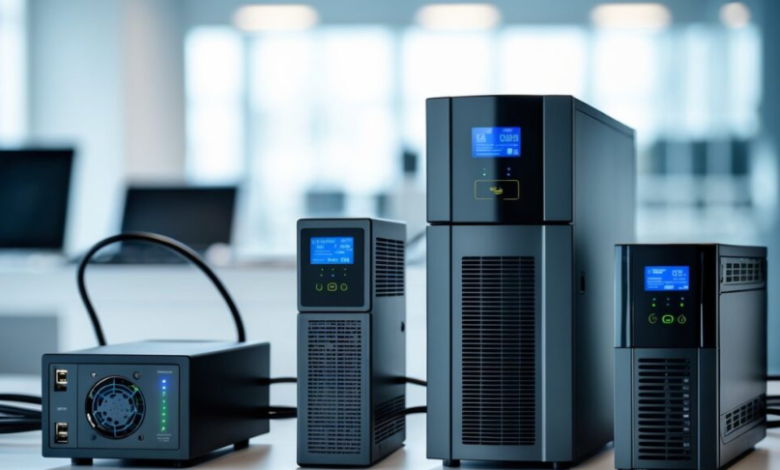
In today’s technology-driven world, uninterrupted power supply is crucial for both homes and businesses. Sudden power outages can damage sensitive electronic devices, disrupt business operations, and lead to data loss. This is where the UPS power supply comes into play. But what does UPS power supply mean, and why is it essential? In this article, we will explore its meaning, working principle, types, benefits, and common questions.
What Does UPS Power Supply Mean?
The term UPS power supply stands for Uninterruptible Power Supply. It is an electrical device that provides emergency power to a load when the main power source fails. Unlike traditional backup generators, a UPS provides almost instantaneous power without waiting for the primary source to return. This ensures that devices such as computers, servers, medical equipment, and home appliances continue to function seamlessly during power interruptions.
In simpler terms, a UPS acts as a bridge between the main electrical supply and your electronic devices, ensuring uninterrupted and clean power at all times.


See also: Innovative Roofing Technologies: Modern Solutions for Today’s Homes
How Does a UPS Power Supply Work?
A UPS system operates by using a combination of batteries, inverters, and control circuits to deliver continuous power. Its working principle can be summarized as follows:
- Normal Operation: When the main power supply is stable, the UPS charges its internal battery while simultaneously supplying electricity to connected devices.
- Power Interruption: In the event of a power cut or voltage fluctuation, the UPS instantly switches to battery mode, supplying electricity without any noticeable delay.
- Voltage Regulation: Many UPS systems also regulate voltage, protecting devices from surges, spikes, and under-voltage conditions.
- Power Restoration: Once the main power is restored, the UPS automatically switches back to normal operation and recharges the battery.
Types of UPS Power Supply
UPS systems are categorized based on their functionality and design. The main types include:
- Offline/Standby UPS:
This is the most basic type of UPS. It provides battery power only when a power outage occurs. It is suitable for home computers and small electronic devices. - Line-Interactive UPS:
This type can regulate minor voltage fluctuations without switching to battery power. It is ideal for small offices or home setups with moderate voltage variations. - Online/Double-Conversion UPS:
Online UPS systems provide continuous power from their inverter, ensuring no interruption even during voltage fluctuations. This type is widely used in data centers, hospitals, and industries where power reliability is critical.
Benefits of Using a UPS Power Supply
Using a UPS power supply offers numerous advantages:
- Prevents Data Loss: Keeps computers and servers running during power cuts, protecting important files and ongoing tasks.
- Protects Equipment: Shields devices from damage due to voltage spikes, surges, or brownouts.
- Ensures Business Continuity: Minimizes downtime in offices, factories, and medical facilities.
- Reliable Emergency Power: Provides temporary power to critical devices during unexpected outages.
- Extends Equipment Life: Smooth and consistent power supply reduces wear and tear on sensitive electronics.
Common FAQs About UPS Power Supply
Q1: How long can a UPS supply power?
The backup time depends on the UPS capacity and connected load. Smaller UPS units may provide 5–30 minutes, while larger industrial UPS systems can last several hours.
Q2: Can a UPS replace a generator?
No. A UPS is designed for short-term backup during power interruptions, while generators provide long-term power but require start-up time.
Q3: Is UPS only for computers?
No. UPS systems can protect any electrical device, including servers, medical equipment, home appliances, and security systems.
Q4: What happens if the UPS battery dies?
A UPS with a dead battery will fail to supply backup power. Regular maintenance and battery replacement are essential for reliable performance.
Q5: Can a UPS prevent all types of power issues?
A UPS protects against outages, voltage fluctuations, and minor surges, but it may not handle extreme lightning strikes or electrical faults.
Conclusion
The UPS power supply meaning goes beyond just a backup battery; it represents a vital safeguard for your electronic devices and business operations. By providing continuous, regulated, and reliable power, a UPS ensures that your data, equipment, and productivity remain uninterrupted even during unforeseen power failures. Investing in a quality UPS system is a smart move for anyone looking to protect valuable technology and maintain operational continuity. Understanding the different types and functions of UPS will help you choose the right solution for your home, office, or industry.